Cheers to 2023: Some of my Top Beers of the Year (So Far)

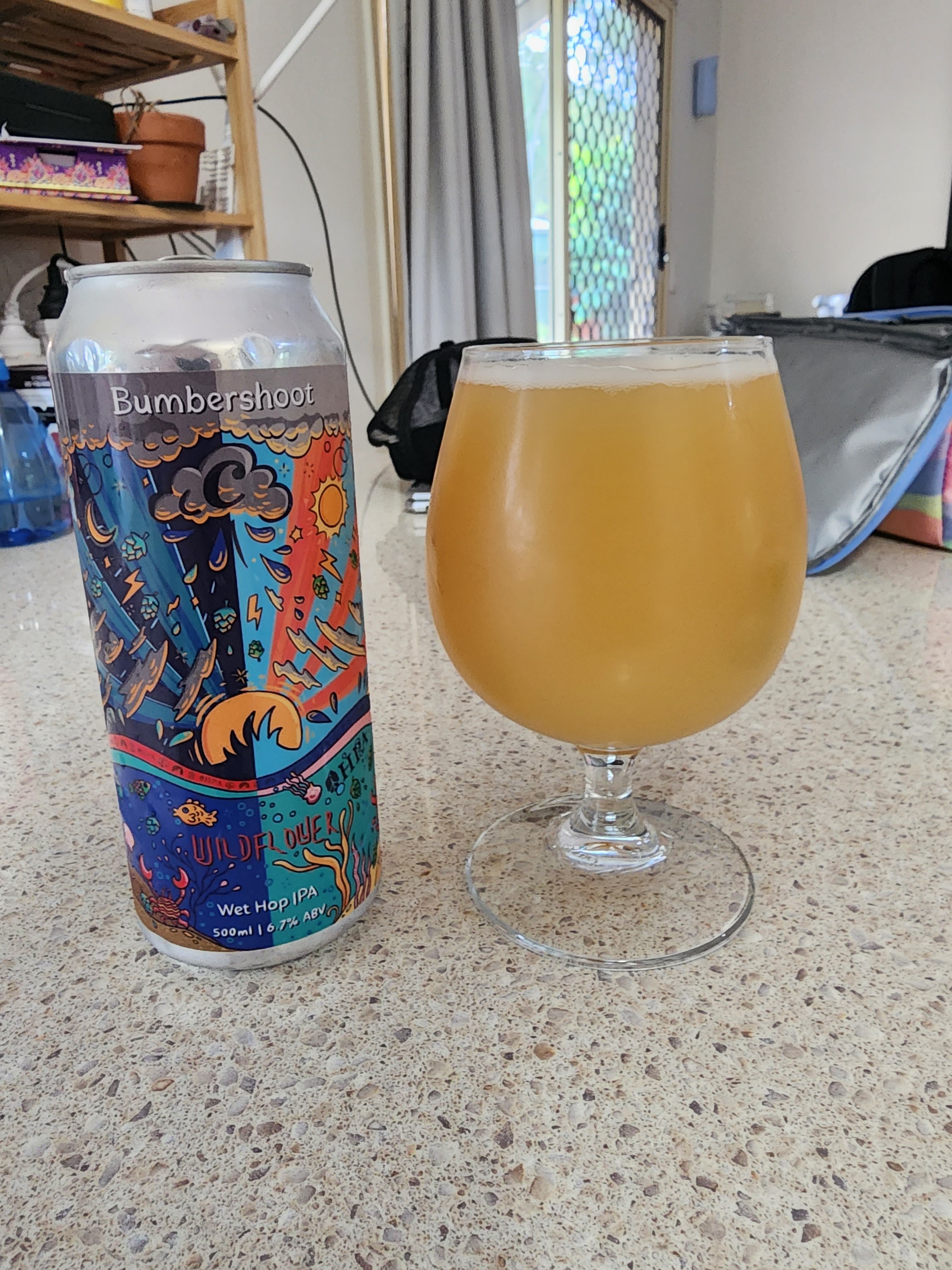
Bumbershoot, a 6.7% New England IPA collab between Mountain Culture, Wildflower and Cloudburst. Source: Wildflower Brewing and Blending monthly beer box.

When Mountain Culture and Wildflower combine to make a beer, my expectations are high – I’ve not come across Cloudburst before (a US based brewery) – but if this is the company they keep, they are in good stead! The story behind the name is mildy entertaining. The fact they turned a wet Australian hop into this is superb. The high Ella hop load delivers grapefruit and tropical notes and is slightly grassy. Some stonefruit esters with a moderately bitter and largely smooth, finish – especially considering the dryness. Get one while you can!
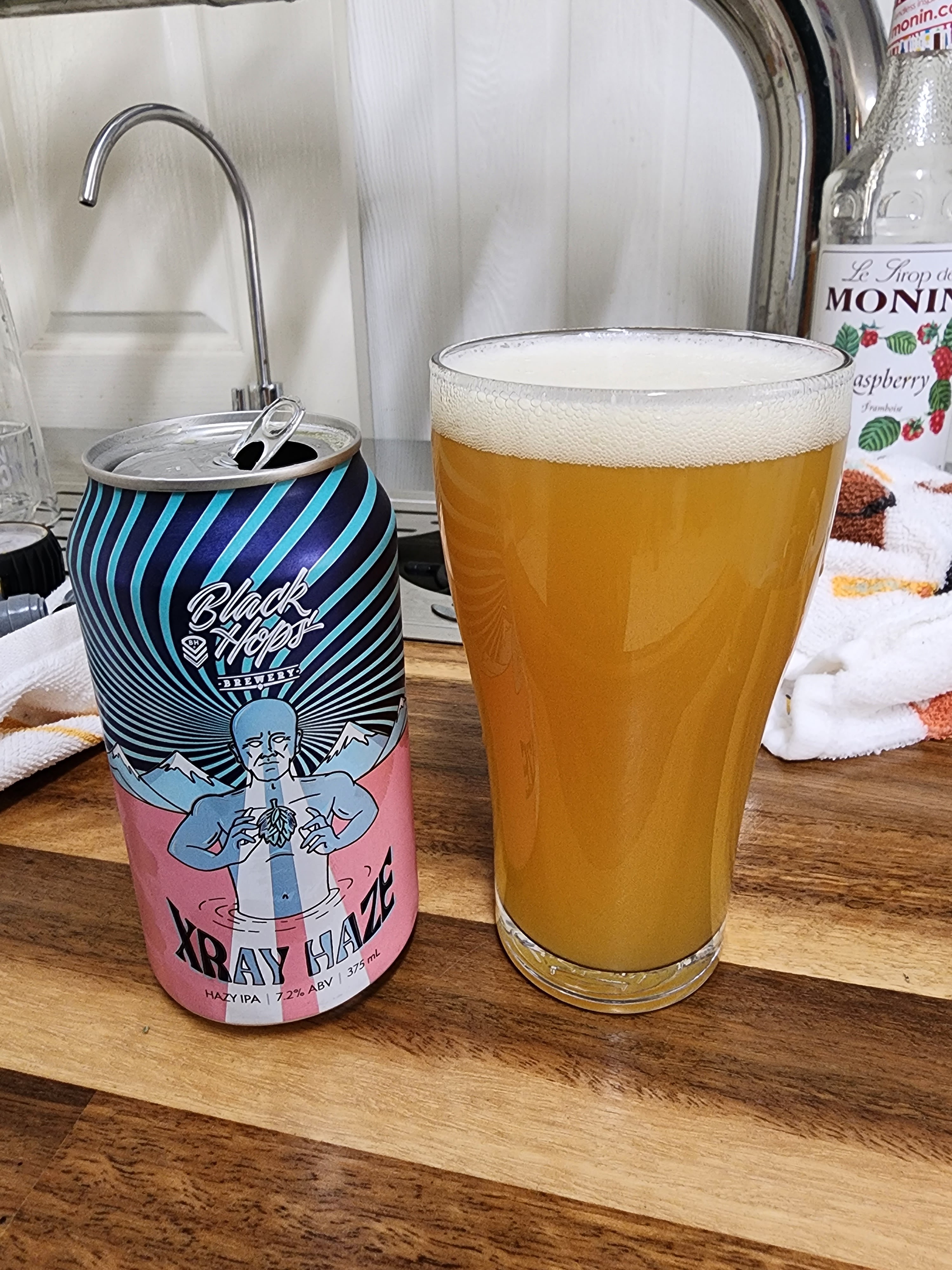
Xray Haze, a 7.2% New England IPA from Black Hops Brewing. Source: Dan Murphys!

Probably my favourite commercial hazy this year…touch of stone fruit, big cirtusy and resinous hop – get that spectrum (hop derived liquid) into you! Big, soft mouth feel and a surprisingly smooth, thick and soft mouthfeel. Do yourself a favour next time you are at uncle Dan’s and try get your hands on one.
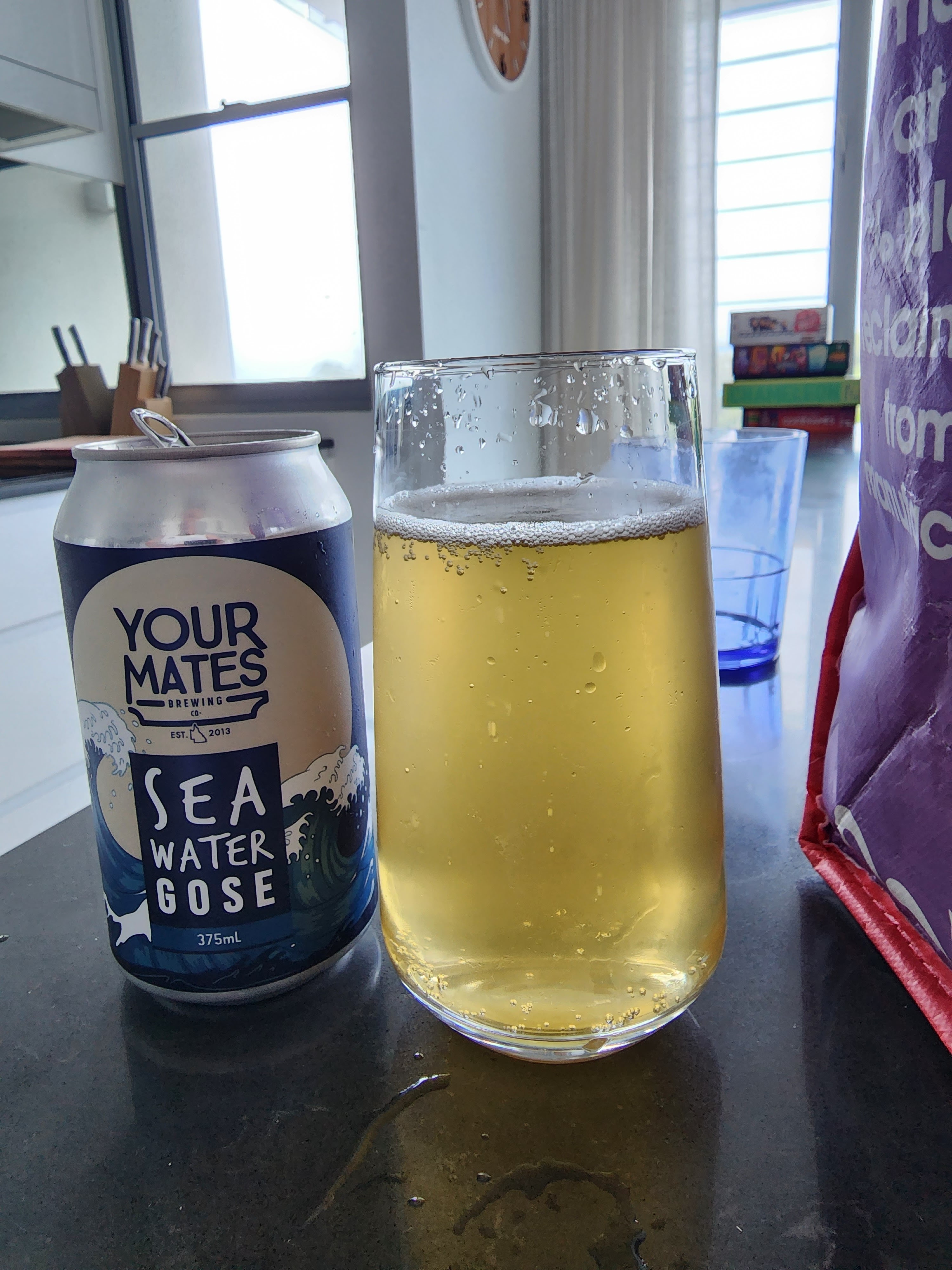
Sea Water Gose, a 4% Gose from Your Mates Brewing co. Source: Your Mates Brewing tap house

An unsuspecting favourite and one you might struggle to get your hands on. This was surprisingly good, especially on Australia Day week at the Sunshine Coast. The saltiness and sourness are perfectly balanced, with a dry, crisp and refreshing finish and a slightly doughy maltiness. Go for a swim at the beach, then drop one of these and see what the fuss is all about.

Mole Kriek, a 6.6% natural sour (cheery) ale from Seven Sheds in Tasmania. Source: Mixed case from Seven Sheds

I am a sucker for the style. Let alone anything of this style made locally in Australia. A big, tart and freshing sourness with a late oaky-smoothness after the sourness subsides. A big hit of sour cherry fruit.
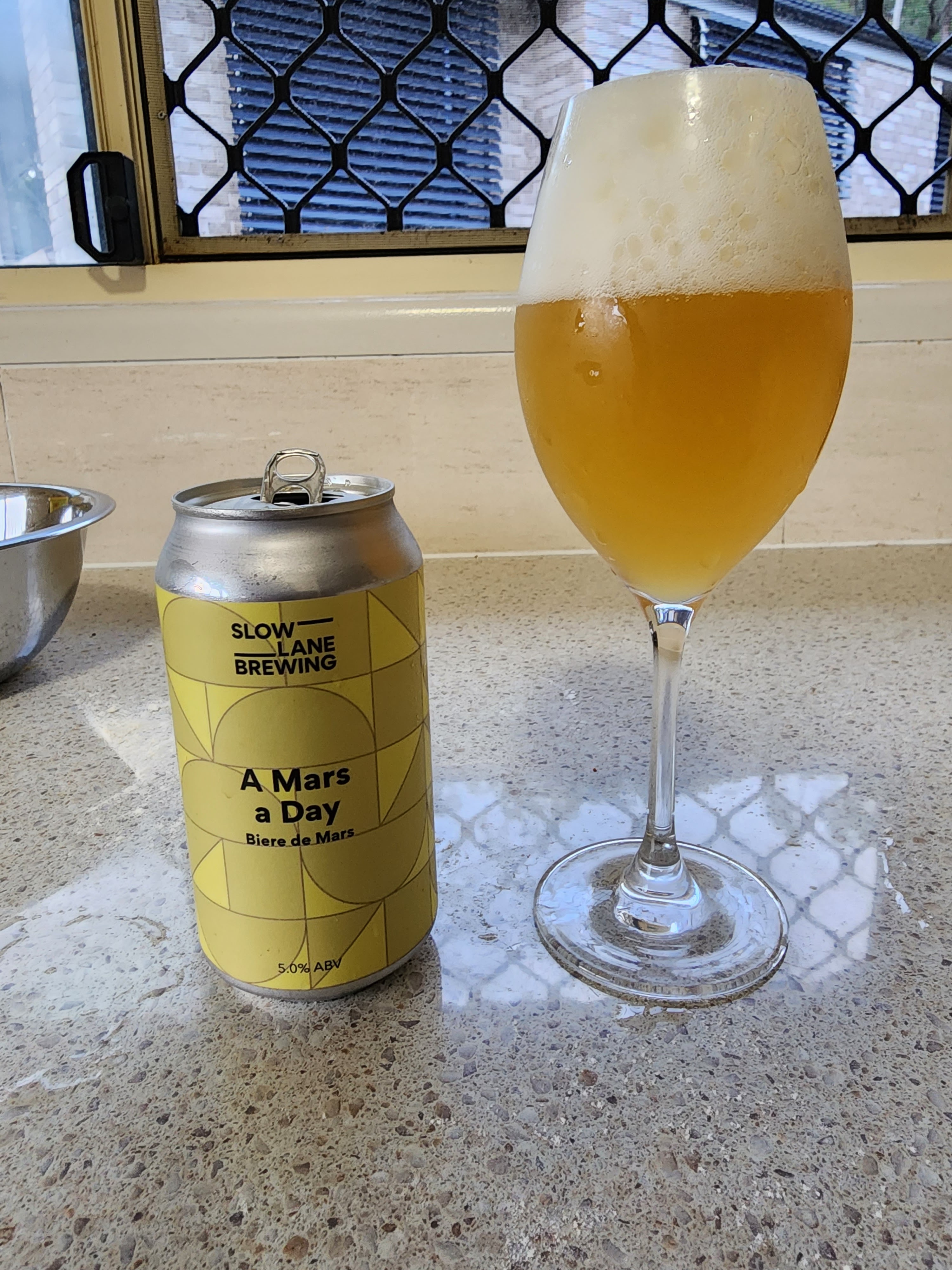
A Mars a Day, a 5.0% Biere de Mars from Slow Lane Brewing. Source: Slow Lane Brewing monthly beer box.

Give me those old European styles. It is hard to go past Slow Lane Brewing for their variety of beers and frequent use of aging and brett. Loads of complexity in this, doughty, citrusy, tropical, a touch of brett funk, a bit of spicey phenol, moderate bitterness with a dry finish. If your looking for complexity in a pale beer – here it is.
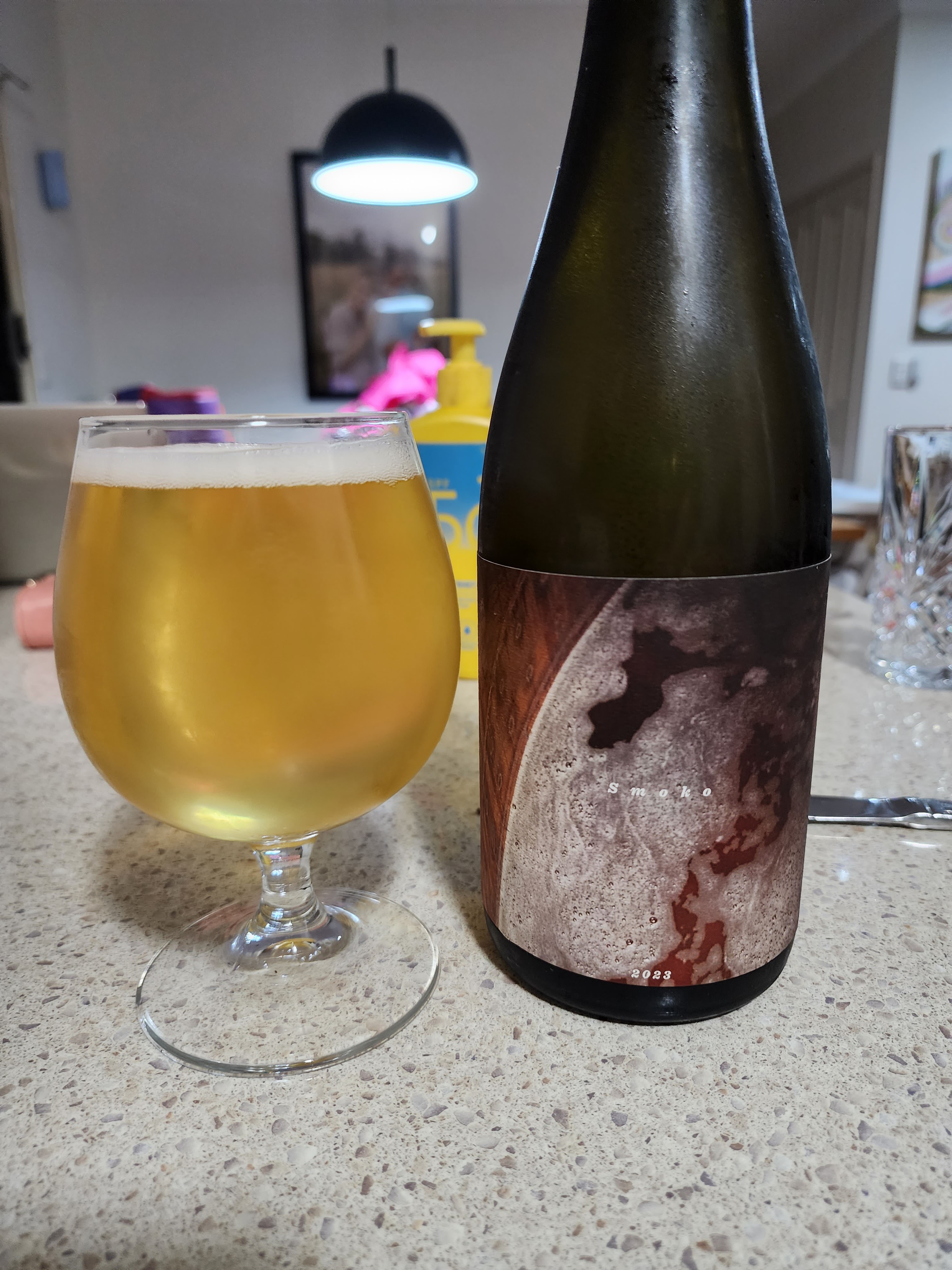
Smoko, a 7.3% Wild Ale from Wildflower Brewing and Blending. Source: Wildflower Brewing and Blending Collective box

Anyone who knows me knows that I have a particular soft spot for Wildflower right now. I could probably build a ‘best of 2023’ list with their beers alone. I love their ability to make beers using local ingredients and build a story with every beer. This is another complex pale beer, bringing zestyness and white wine with a beautifully balance acidity, sweetness and dryness. If you are looking for the pinnacle of wild Australian beers, do yourself a flavour and get a box from Wildflower Brewing and Blending!

Partigyle Brew – Belgian Quad and Belgian Dubbel

Partigyle Brewing: A Guide to Brewing Multiple Beers from One Mash

Partigyle brewing is a traditional brewing technique that allows you to brew multiple beers from a single mash. This technique has been used for centuries by brewers around the world, and it is still popular today among home brewers and commercial brewers alike. In this article, we’ll explore the basics of partigyle brewing and provide you with a step-by-step guide to get started.

What is Partigyle Brewing?

Partigyle brewing is a technique that involves sparging a single mash multiple times to create different beers with varying strengths and flavors. The first runnings from the mash are typically the strongest, while the subsequent runnings are weaker but still contain enough sugars to create a lower-alcohol beer.

The term “partigyle” comes from the French word “parti,” which means “divided.” This refers to the fact that the mash is divided into different runnings to create multiple beers.

Partigyle brewing is an efficient way to make the most out of your grain bill and can be a great way to experiment with different beer styles. It also allows you to create multiple beers with different alcohol content, flavor profiles, and mouthfeel from a single mash.

How Does Partigyle Brewing Work?

Partigyle brewing involves multiple runnings from the same mash. The first runnings are typically the strongest and used to create a high-alcohol beer like a barleywine, while the second and third runnings are used to create lower-alcohol beers like milds or bitters.

To get started with partigyle brewing, you’ll need to mash in as you would for a regular all-grain batch. Once the mash is complete, you’ll need to separate the wort from the grain by lautering.

For the first runnings, you’ll want to sparge the mash as usual, but with a slightly lower sparge water-to-grain ratio to ensure you get a strong wort. The second runnings will require a higher sparge water-to-grain ratio to extract enough sugars for fermentation.

Here’s a step-by-step guide to partigyle brewing:

Step 1: Mash in as usual and let the mash rest.

Step 2: Lauter the mash as usual and collect the first runnings.

Step 3: Sparge the mash with a lower sparge water-to-grain ratio to collect the first runnings.

Step 4: Boil the first runnings to create a high-alcohol beer like a barleywine.

Step 5: Collect the second runnings by sparging the mash with a higher sparge water-to-grain ratio.

Step 6: Boil the second runnings to create a lower-alcohol beer like a mild or bitter.

By using different sparge water-to-grain ratios for each runnings, you can extract different amounts of sugars from the mash to create different beers with varying alcohol content and flavor profiles.

Partigyle brewing is a great way to get the most out of your grain bill and create multiple beers with varying alcohol content and flavor profiles. By following the steps outlined in this article, you can get started with partigyle brewing and experiment.

My Belgian Quad and Belgian Dubbel partigyle experiment…

First runnings = Belgian Quad

Second runnings = Belgian Dubbel

Belgian Quad, also known as Quadrupel, is a strong Belgian ale that is rich, complex, and full-bodied. It is characterized by its dark brown color and deep maltiness, with flavors of dark fruit, caramel, toffee, and spices. It is also high in alcohol, typically ranging from 8% to 12%, and is often brewed with Belgian candy sugar to add to its complexity and dry out the finish. This style of beer is often enjoyed in colder weather and pairs well with hearty foods like stews, roasts, and strong cheeses.

Belgian Dubbel is a brown ale with a rich, malty flavor and a subtle sweetness. It is characterized by its deep brown color, which is often achieved by the use of darker malts, and its complex aroma, which can include notes of dried fruit, spices, and caramel. It has a moderate to high alcohol content, typically ranging from 6% to 8%, and is often brewed with Belgian candy sugar to add to its sweetness and help to dry out the finish. This style of beer is often enjoyed in colder weather and pairs well with hearty foods like stews, roasts, and strong cheeses.

Keep an eye out for the recipe, a brew day wrap up and some tasting and sampling as these beers fermented, conditioned and were packaged.

Cheers!

First Post & Welcome!

I am a passionate home brewer who loves everything about brewing beer. I believe that home brewing is not only a hobby but also a way of life that brings people together and fosters a sense of community.

This website is dedicated to sharing my knowledge, experiences, and love for home brewing with others. As the only editor of this website, I am committed to providing you with accurate, informative, and engaging content that is easy to understand and follow.

Whether you are a seasoned brewer or just getting started, my website is designed to cater to all levels of experience. I provide resources, tips, and tricks that can help you take your brewing skills to the next level.

I also believe that brewing is a creative art form, and I encourage you to experiment with different ingredients and techniques to create unique and exciting beers. I hope to inspire and encourage you to push the boundaries of brewing and to share your creations with the world.

Thank you for visiting my website, and I hope that you find it informative, inspiring, and fun. Cheers!